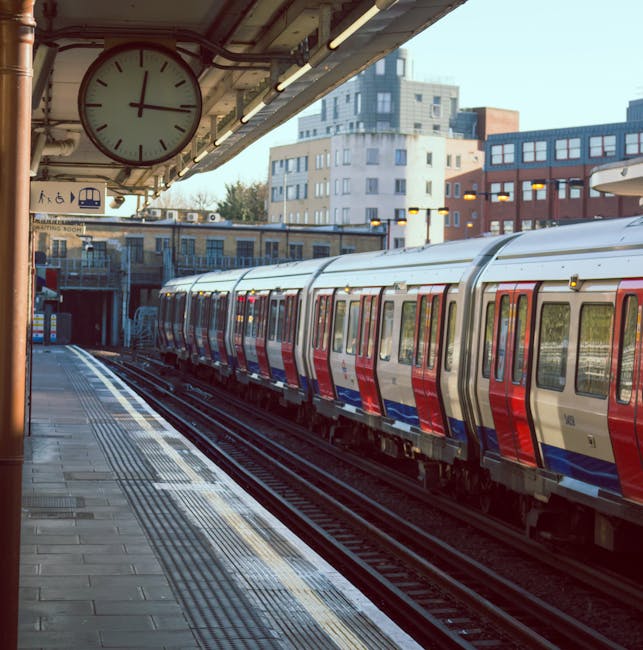
Delays and booking mistakes with West Hampstead cleaning services: how to avoid stress, wasted time, and poor results
If you have ever booked a cleaner in a rush, only to realise the date was wrong, the access details were incomplete, or the service booked was not quite the one you needed, you are not alone. Delays and booking mistakes with West Hampstead cleaning services can turn a simple job into a frustrating scramble, especially when you are working around a move, a landlord deadline, guests arriving, or a busy office schedule.
The good news is that most of these problems are avoidable. With a little planning, a clear checklist, and the right questions at the start, you can reduce delays, protect your booking, and make sure the cleaning team arrives ready to do the job properly. This guide walks you through the common mistakes, why they happen, how to prevent them, and what to do if something still goes off track. Let's face it, nobody wants to be ringing around at 8:30 on a Monday morning because the cleaner is outside the wrong entrance.
Why delays and booking mistakes matter
A delayed or incorrectly booked cleaning visit is not just annoying. It can affect your whole day. If you are handing back keys, preparing for tenants, welcoming guests, or trying to reopen a workspace, a missed slot can create a knock-on effect that spreads much further than the cleaning itself.
In West Hampstead, where many homes and businesses work to tight schedules, timing matters a lot. A cleaner arriving late may mean a sitter waiting outside, a property manager rescheduling access, or a family moving boxes around for the second time. Small booking errors can become surprisingly expensive in time and energy, even if the cleaning fee itself does not change.
There is also the quality issue. If the wrong type of service is booked, the cleaner may arrive without the right equipment, enough time, or the right scope of work. For example, booking a standard domestic clean when the property actually needs deep cleaning can leave important tasks unfinished. The same goes for specialist jobs such as end of tenancy cleaning, after builders cleaning, or office cleaning.
Expert summary: most cleaning delays are not random. They usually come from unclear booking details, unrealistic time estimates, access issues, or last-minute changes that were never properly confirmed.
How delays and booking mistakes usually happen
Most booking problems start before the cleaner even sets off. A customer submits a request too quickly, leaves out a key detail, or assumes the cleaner will infer the rest. To be fair, that happens all the time. People are busy. But cleaning services are practical, time-based jobs, and the small details matter.
Here are the main ways things go wrong:
- Wrong service type: the job needs specialist treatment, but a general clean is booked instead.
- Unclear property size: the cleaner is told "two-bed flat" when the actual layout is larger or more cluttered than expected.
- Access confusion: entry codes, concierge rules, parking restrictions, or keys are not arranged in advance.
- Timing mismatch: the booking is made too close to a move-out, inspection, guest check-in, or business opening.
- Scope creep: extra tasks are added on the day, and the original time slot is no longer enough.
- Missing prep information: pets, stain problems, fragile items, or heavily soiled areas are not mentioned.
Sometimes the delay is caused by the service provider being overbooked or under-briefed. Other times, the customer underestimates how long the work will take. A serious carpet clean, for example, may need more setup than expected, especially if it involves steam carpet cleaning, rug cleaning, or upholstery cleaning.
Think of it like booking a train with three changes and a tight connection. It might still work, but the fewer details you check, the easier it is for something to slip.
Key benefits of getting the booking right
When the booking is accurate from the start, the whole experience feels calmer. The team arrives with the right expectations, the job is completed more efficiently, and you are far less likely to be chasing updates or rearranging your day.
Here is what good booking practice usually gives you:
- Fewer delays: cleaners can plan travel, equipment, and job length more accurately.
- Better results: the service matches the property's actual condition and needs.
- Less stress: you are not trying to fix missing details at the door.
- Cleaner communication: everyone knows what is included and what is not.
- More reliable budgeting: the quote is less likely to shift unexpectedly.
- Better handovers: useful for moving day, landlords, guests, and workplaces.
For recurring customers, this matters even more. A well-set-up schedule for regular cleaning or domestic cleaning builds consistency over time. The cleaner gets to know the property, and the risk of a missed instruction drops a lot. Small thing, big difference.
Who this is for and when it makes sense
This topic is relevant for anyone booking cleaning in West Hampstead, but some people feel the impact more sharply than others.
- Tenants and landlords: timing is critical when keys, inspections, and deposit expectations are involved.
- Homeowners: delays can interrupt daily routines or family plans.
- People moving house: move windows are tight, and one mistake can affect the whole chain.
- Airbnb hosts: guest arrivals leave very little room for error, so Airbnb cleaning needs careful scheduling.
- Offices and landlords with shared spaces: access, security, and cleaning windows need planning, especially for communal area cleaning and commercial cleaning.
- Anyone booking a one-off job: these appointments are often less familiar, so questions get missed more easily.
If you are booking something specialist, the need for precision rises again. Jobs like oven cleaning, window cleaning, mattress cleaning, or pet stain odour removal often require a more detailed briefing than a light tidy-up. You do not want a specialist arriving to find the wrong surfaces, no parking info, and a locked gate. It happens.
Step-by-step guidance
Here is a practical way to avoid the common pitfalls and make the booking smoother from day one.
- Choose the right service first. Start by matching the job to the problem. For example, post-renovation mess usually points to after builders cleaning, while a full reset before moving in often suits move in cleaning.
- Describe the property honestly. Bedrooms, bathrooms, floors, stairs, balconies, and any heavily used areas should be clear. If the place has not been cleaned for a while, say so.
- Flag access details early. Mention parking, buzzers, concierge rules, lift access, key collection, and any time restrictions. These are often the hidden cause of delay.
- List priority tasks. If you need the oven, bathroom, skirting boards, or carpets treated first, say it. Priorities help the team plan the sequence.
- Confirm what is included. Ask what the quote covers, what is excluded, and whether anything extra may affect time or price. For budget clarity, it helps to review pricing and quotes before you confirm.
- Check the date and buffer time. If you have a handover, moving truck, viewing, or guest arrival, leave breathing room. A 30-minute buffer can save you a headache later.
- Keep written confirmation. A simple email or message helps avoid "I thought we agreed..." moments. Truth be told, those moments are nobody's favourite.
If you are booking a larger or more technical job, ask about safety, equipment, and insurance. It is reasonable to want reassurance before anyone steps into your home or workplace. For that side of things, the company's insurance and safety information and health and safety policy can be useful reference points.
Expert tips for better results
After working through enough bookings, a pattern becomes obvious: the customers who get the best experience are usually the ones who communicate early and specifically. Nothing fancy. Just clear, practical detail.
- Send photos when possible. A few quick pictures of the kitchen, bathroom, stain areas, or awkward corners can prevent under-quoting and wrong assumptions.
- Use room-by-room notes. A line such as "bedrooms are light use, hallway has muddy marks, oven needs a deep clean" is much more useful than "whole flat needs cleaning."
- Book earlier for busy periods. End-of-month moves, bank holidays, and weekend slots tend to fill quickly.
- Be honest about clutter. Cleaners can do more when surfaces are accessible. If the property also needs clearing, a separate house clearance or more prep may be needed first.
- Ask about drying or re-entry times. This matters for carpets, upholstery, and floor care, especially if you are planning to use the space soon after.
- Leave one contact person in charge. Too many decision-makers can slow everything down. One point of contact keeps things tidy.
A small but useful habit: keep a single note on your phone titled something like "cleaning booking details." Add access codes, preferred times, pet notes, and recurring instructions there. It sounds basic. It is basic. And it works.
Common mistakes to avoid
Here are the booking mistakes that cause the most trouble, plus why they matter.
| Mistake | What it causes | Better approach |
|---|---|---|
| Booking the wrong service type | Incomplete results, rushed work, extra charges later | Match the task to the actual condition of the property |
| Giving vague property details | Incorrect time estimates and under-prepared teams | Share room count, condition, and special areas clearly |
| Forgetting access instructions | Arrival delays and missed entry windows | Provide keys, codes, parking, and gate details in advance |
| Leaving the booking to the last minute | Reduced availability and fewer options | Book early, especially before moving day or guest changeover |
| Not confirming the scope in writing | Arguments about what was meant to be included | Keep written confirmation of service, date, and expectations |
One of the sneakiest mistakes is assuming a service is "obvious." A customer may think all upholstery spots are included, while the cleaner may only expect light surface cleaning. The same goes for stain removal and specialist fabric care. If in doubt, spell it out.
Tools, resources and recommendations
You do not need fancy software to avoid delays. A few simple tools are enough.
- Phone notes or a shared checklist: useful for access details, room priorities, and contact numbers.
- Calendar reminders: set one reminder 24 hours before and another on the morning of the visit.
- Photos of the property: especially helpful for messy rooms, stains, or awkward layouts.
- Message templates: if you manage multiple properties, a standard booking message saves time and reduces omissions.
- Company information pages: check about the company, terms and conditions, and payment and security so you know how booking, payment, and expectations are handled.
For eco-minded customers, it can also help to review how waste and materials are handled. Some jobs, especially post-build or larger domestic cleans, generate more packaging and residue than people expect. A cleaner's recycling and sustainability approach can matter if that is part of your own standard.
If you need to raise concerns, a published complaints procedure is a reassuring sign that the business has a proper process rather than a shrug and a voicemail. That matters more than people think.
Law, compliance and best practice
Cleaning bookings are not usually a legal maze, but a few UK best-practice points are worth keeping in mind. Businesses should handle customer data carefully, explain payment terms clearly, and avoid misleading service descriptions. If you share access codes, phone numbers, or tenancy details, that information should be handled sensibly and in line with the company's privacy notice.
For customers, the practical takeaway is simple: do not rely on assumptions. Ask what is included, what happens if the scope changes, and what the cancellation or rescheduling terms are. That is especially important for time-sensitive work like move out cleaning, where delays can spill into removals, inventories, or handover windows.
From a safety point of view, it is normal to expect insured, trained cleaners to follow sensible procedures around chemicals, surfaces, electrical appliances, and access limitations. If a service involves ladders, external work, or more demanding equipment, extra caution is wise. That includes jobs such as gutter cleaning or facade cleaning. Best practice is often unglamorous, but it protects everyone involved.
And yes, contracts matter. If you agree to a time slot, a scope, or a cancellation rule, read it properly. Not exactly thrilling weekend reading, but still useful.
Options and comparison table
Different cleaning bookings need different levels of preparation. A quick comparison helps show where delays are most likely.
| Booking type | Risk of delay | Typical mistake | Best way to prepare |
|---|---|---|---|
| Regular domestic cleaning | Low to moderate | Forgetting routine notes or changing priorities every visit | Keep a standing checklist and update it only when needed |
| Deep clean or one-off clean | Moderate | Underestimating dirt level and time needed | Share photos and list problem areas before booking |
| Move-in or move-out clean | High | Poor timing around key handover or removals | Build in buffer time and confirm access early |
| Specialist fabric or floor work | Moderate to high | Not mentioning stains, material type, or finish | Give exact surface details and mention any recent treatment |
| Office or communal area cleaning | Moderate | No one agrees on access or security arrangements | Nominate one contact and share building instructions |
In practice, the more specialist the job, the more important the prep. A sofa clean is not the same as a carpet refresh, and a one-off cleaning visit is not the same as a weekly tidy. Treating them as interchangeable is one of the fastest ways to create avoidable delays.
Case study example
Here is a realistic example based on the kinds of situations people run into.
A couple in West Hampstead booked a cleaner for a Friday afternoon before key handover on Saturday morning. The plan was simple enough, or so it seemed. They said the flat was "mostly empty" and "just needed a final clean." What was left unsaid? A full kitchen reset, two stubborn carpet marks, a storage cupboard full of items, and a side entrance that required a temporary access code.
By the time the cleaner arrived, the access code had not been shared with the porter, the oven needed more time than expected, and the carpet spots were too set for a quick pass. The job still got done, but the booking had to be extended, the couple had to juggle removal timings, and everybody lost a bit of calm.
If they had sent photos, confirmed the access route, and booked a longer slot or specialist service from the start, things would have been much smoother. No drama, no blame. Just better information. That is usually what fixes these situations.
A similar story happens with households booking house cleaning after a renovation or guests booking sofa cleaning after a spill. The issue is rarely "bad luck." More often, it is a mismatch between what was booked and what was actually needed.
Practical checklist
Use this before you confirm a cleaning booking in West Hampstead.
- Have I chosen the correct service type?
- Have I described the property honestly and completely?
- Have I mentioned stairs, parking, key pickup, or entry codes?
- Have I shared any problem areas, stains, or special surfaces?
- Have I confirmed the date, start time, and expected duration?
- Do I know what is included in the quote?
- Have I read the cancellation or rescheduling terms?
- Have I allowed enough buffer before the next appointment or handover?
- Have I kept the confirmation message or email?
- Have I told the cleaner about pets, alarms, or building rules?
If you can tick most of those off, you are already ahead of the game. Honestly, that alone prevents a lot of unnecessary back-and-forth.
Get a free quote today and see how much you can save.
Conclusion
Delays and booking mistakes with West Hampstead cleaning services usually come down to one thing: not enough clarity at the start. The cleaner may be professional, the property may be ready, and the day may still go sideways if access, service type, timing, or scope were not explained properly.
The simplest fix is also the most reliable one. Share accurate details, ask direct questions, confirm what is included, and give yourself a little breathing room. That applies whether you need a routine tidy, a carpet cleaning visit, a curtain cleaning job, or a full property reset. A careful booking saves time later. And, just as importantly, it helps everyone involved keep their day on track.
At the end of the day, a good cleaning booking should feel calm, not complicated. When it does, everything else gets easier too.
Frequently Asked Questions
What causes the most delays when booking a cleaning service in West Hampstead?
The most common causes are incomplete access details, unclear job scope, wrong service selection, and last-minute changes. Timing issues are especially common for move-related bookings.
How do I avoid booking the wrong type of cleaning?
Start by identifying the main problem, not just the property type. For example, a post-renovation property usually needs after builders cleaning, while a property being handed back may need end of tenancy cleaning.
Should I send photos before the clean?
Yes, if possible. Photos help the cleaner judge the condition of the property, spot problem areas, and estimate the right amount of time. They are especially useful for stains, clutter, and awkward access points.
What information should I give at the time of booking?
Share the property size, room count, condition, access details, parking notes, pet information, and any priority tasks. The more specific you are, the less likely there will be a delay.
How far in advance should I book cleaning services?
As early as you can, especially for move-outs, guest changeovers, or weekend slots. Popular times fill up quickly, and last-minute bookings leave less room for adjustments.
Can a cleaner arrive on time but still finish late?
Yes. That usually happens when the job was under-scoped, extra tasks appeared on the day, or the property condition was more demanding than expected. A more accurate booking reduces that risk.
What if I need extra tasks added after the booking is confirmed?
Tell the provider as soon as possible. Extra tasks may be possible, but they can affect price and duration. It is better to flag them early than to surprise the cleaner at the door.
Is a regular cleaning booking less likely to have problems?
Usually yes. With regular cleaning, the cleaner becomes familiar with the property and your preferences. That said, changes in access, pets, or scope can still create delays if they are not communicated.
What should I do if the cleaner cannot access the property?
Contact the provider immediately and try to resolve the access issue calmly. If the problem is with keys, codes, or building entry, having backup access instructions can save the appointment.
Are specialist services more likely to be delayed?
They can be, because specialist jobs often need more setup, more time, or different equipment. Services such as steam carpet cleaning, upholstery cleaning, and stain removal are best booked with clear descriptions and realistic timing.
How do I know if a quote is accurate?
A good quote should match the actual size and condition of the property, plus any extras you have requested. If the quote was based on limited details, ask for confirmation before you commit.
What if my booking changes after I have already confirmed it?
Update the cleaner as soon as possible and check whether the new plan still fits the original slot. A small change may be manageable, but bigger changes often need a revised schedule or service type.