Complaints Procedure for Cleaner West Hampstead
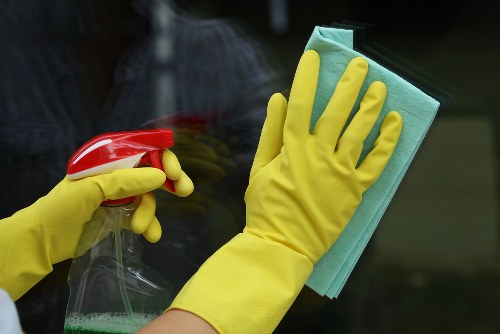 A clear complaints procedure helps set expectations from the start and gives every customer a fair way to raise concerns. For a Cleaner West Hampstead service, the process should be simple, respectful, and easy to follow. When a problem is reported early, it is usually quicker to understand what went wrong and decide on the right solution. A well-managed complaint process also supports consistency, because everyone involved knows how concerns will be handled.
At the heart of any cleaner West Hampstead complaints procedure is the principle of fairness. This means listening carefully, avoiding assumptions, and reviewing the facts before reaching any conclusion. Whether the issue relates to timing, missed areas, behaviour, or the standard of work, the customer should feel that their concern is being taken seriously. A strong process is not just about solving one problem; it is about building a reliable structure for future service improvements.
To keep the procedure effective, the first step should always be to record the complaint clearly. The record should note what happened, when it happened, and which part of the service is being questioned. Clear documentation makes it easier to identify patterns if similar issues occur again. It also helps ensure that the response is based on details rather than assumptions. In a professional cleaning complaints process, clear notes are a practical foundation for a fair outcome.
Once the issue has been recorded, the next stage is acknowledgement. A prompt response shows the customer that the matter has been received and will be reviewed. This does not mean promising a specific outcome too early; instead, it confirms that the concern is being considered. A polite acknowledgement can reduce frustration and help keep communication constructive. For a West Hampstead cleaner complaint procedure, timely communication is especially important because it reassures customers that their matter has not been overlooked.
The complaint should then be assessed against the agreed service expectations. This may involve checking the schedule, reviewing the tasks that were meant to be completed, and considering whether any special instructions were given. If the concern involves a missed area or an incomplete task, the review should focus on what was expected and whether those expectations were reasonable and communicated clearly. In a complaints handling process for cleaning services, a balanced review helps avoid unnecessary conflict.
 If additional information is needed, it should be gathered calmly and without delay. This may include asking for more detail about the situation or reviewing internal notes where available. The aim is not to challenge the customer, but to understand the circumstances fully. A professional response remains neutral and respectful throughout. For a Cleaner West Hampstead complaint, gathering the facts carefully can make the difference between a quick resolution and a repeated issue.
Where the complaint is upheld, the response should be proportionate to the issue. A practical solution might involve redoing part of the work, arranging a follow-up visit, or applying another fair remedy based on the situation. The important point is that the resolution matches the problem. A thoughtful cleaner complaints procedure should never rely on a one-size-fits-all approach. Instead, it should focus on restoring confidence while remaining reasonable for both sides.
In some cases, the complaint may not be upheld. If that happens, the explanation should still be clear, polite, and grounded in the facts. It is better to explain why the service was considered acceptable than to give a vague or defensive reply. Even when the answer is not what the customer hoped for, a professional tone can reduce tension. This is one reason why a well-written cleaning service complaints policy is valuable: it supports respectful communication in difficult moments.
Another important part of the process is timescale. Customers should know that their concern will be reviewed within a sensible period. While the exact timing may vary, the procedure should avoid leaving people uncertain for too long. A simple internal timeline can help ensure complaints are not forgotten. In a reliable West Hampstead cleaning complaints process, consistency in timing is just as important as the quality of the response.
 The person handling the complaint should also keep their language professional and calm. Written responses should be direct but courteous, avoiding blame or emotional wording. This helps maintain trust and protects the reputation of the service. A complaint procedure works best when it is seen as a practical tool rather than a defensive barrier. For a Cleaner West Hampstead operation, professionalism should be visible in every stage of the process.
It is also useful to review complaints periodically to identify recurring themes. If several concerns are related to the same task, timing issue, or communication gap, the procedure should help highlight that pattern. This allows improvements to be made before small issues become larger ones. A strong complaints process for cleaners should support service quality, not just react to individual problems. Regular review turns complaints into useful information.
If the complaint involves a misunderstanding, the response can include a brief explanation of what was agreed and how future communication can be improved. This may help prevent similar concerns from arising again. The aim is not to argue, but to reduce the chance of repeat issues. A thoughtful cleaning complaints procedure can strengthen clarity, especially where expectations need to be managed more carefully.
 In more serious cases, where the issue cannot be resolved immediately, the procedure should include escalation steps. Escalation means passing the matter to someone with the authority to review it further. This should happen in a controlled and transparent way so the customer understands what will happen next. A dependable West Hampstead cleaner complaints procedure should always include a route for unresolved concerns, even if only a small number of complaints ever reach that stage.
The final stage of the process should close the complaint clearly. This means confirming the outcome, explaining any action taken, and noting whether anything else is required. Closing the complaint properly helps avoid confusion later. It also creates a useful record for future reference. A cleaner West Hampstead complaint policy is strongest when it ends with clarity rather than uncertainty.
 After a complaint is resolved, the service should reflect on whether any improvement is needed. This can include adjusting communication, refining expectations, or improving how tasks are checked. Even when a complaint is minor, it may still reveal something useful. A well-organised cleaning service complaints procedure should support better standards over time, helping ensure that concerns are handled consistently, professionally, and fairly.